In South Africa, where over 5,000 women are killed annually and femicide rates rank among the highest globally, a small team of activists from Women for Change created a movement that would resonate across continents.
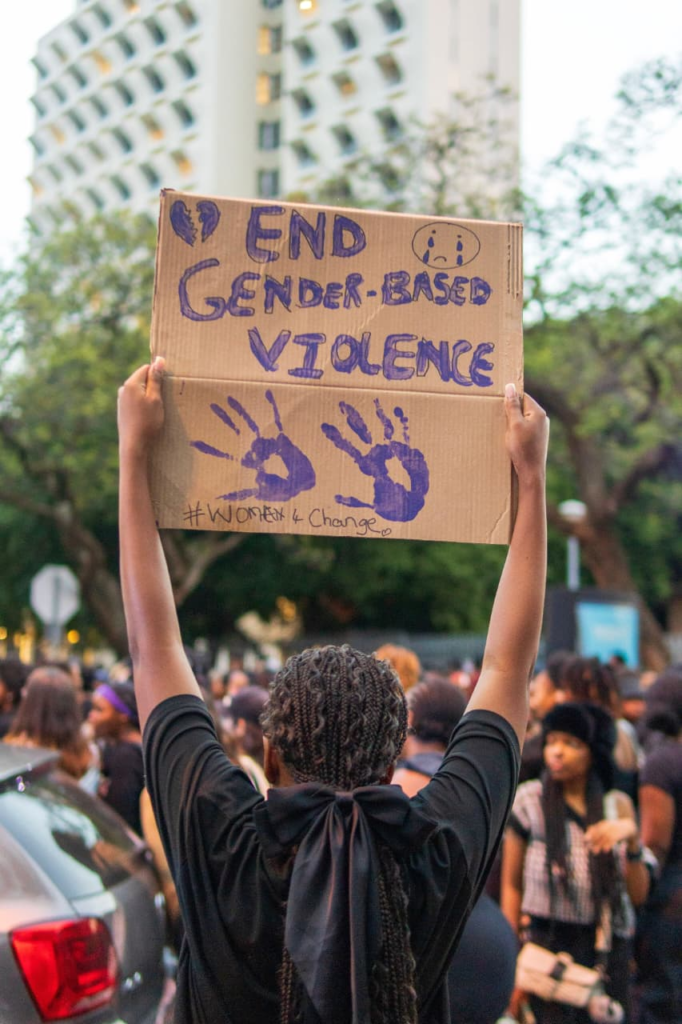
The Breaking Point
For 11 years, Women for Change has fought gender-based violence in South Africa. They’d tried everything; petitions with 150,000 signatures, art installations, government meetings. Despite a comprehensive National Strategic Plan released in 2020, nothing substantial changed for over five years.
“We got to the point where there was something significant that needed to happen because the government was clearly not paying enough attention to the rate that women are dying,” explains Merlize, a team member. “Women are just generally afraid to walk on the street.”
A Strategic Moment
When South Africa hosted the G20 summit in November 2025, founder Sabrina saw an opportunity. With the international spotlight on South Africa, they organised a national shutdown the day before the summit, asking women to lie down for 15 minutes (representing the 15 women who die daily) and withdraw their financial resources from the economy.
The campaign went viral overnight. “When we woke up on Saturday morning and opened TikTok… our notifications were coming through like five per second,” she recalls. The purple profile picture became a symbol of solidarity maintained months later, spreading to rural communities, schools, the UK, Japan, and New York. Recent analysis revealed 1.98 million media hits worldwide, without spending a single cent on marketing.
Most profoundly, survivors found their voice. “It gave so many young girls courage to say that they had survived,” she reflects. “We realised this is bigger than us. This is allowing people to see that they’re not alone.”
Victory and New Challenges
The pressure worked. The day before the shutdown, the president classified gender-based violence as a national disaster, officially signed the day of the event.
But victory brought unexpected challenges. The team faced a 9,000-message backlog on Instagram and intense backlash, xenophobic attacks, false accusations about finances, and safety threats. Despite operating on just 0.03% of available GBV funding while other organisations receive 208 million rand annually, critics attempted to dismantle their credibility. Legal protections became necessary.
Months later, little has changed on the ground. The 21 billion rand allocated in 2020 remains undistributed because officials can’t agree on committee members. “How many women died at that time?” she asks. Another march is planned for March if action doesn’t begin.
Lessons for Changemakers
Her advice for organisations considering similar campaigns is uncompromising: “The first thing people need to ask themselves is why do I want to do this in the first place? A lot of organisations try to host these events mainly because there’s an incentive.”
She emphasises genuine passion over incentives. “If I’m going to do this and I have nothing to go on, am I still going to do it anyway? That’s the only way you know you’re going to get the impact that you want.” Intentionality in building teams matters too: “How much are you willing to lose for this cause? Because then you know you’re going to do it well.”
Moving Forward
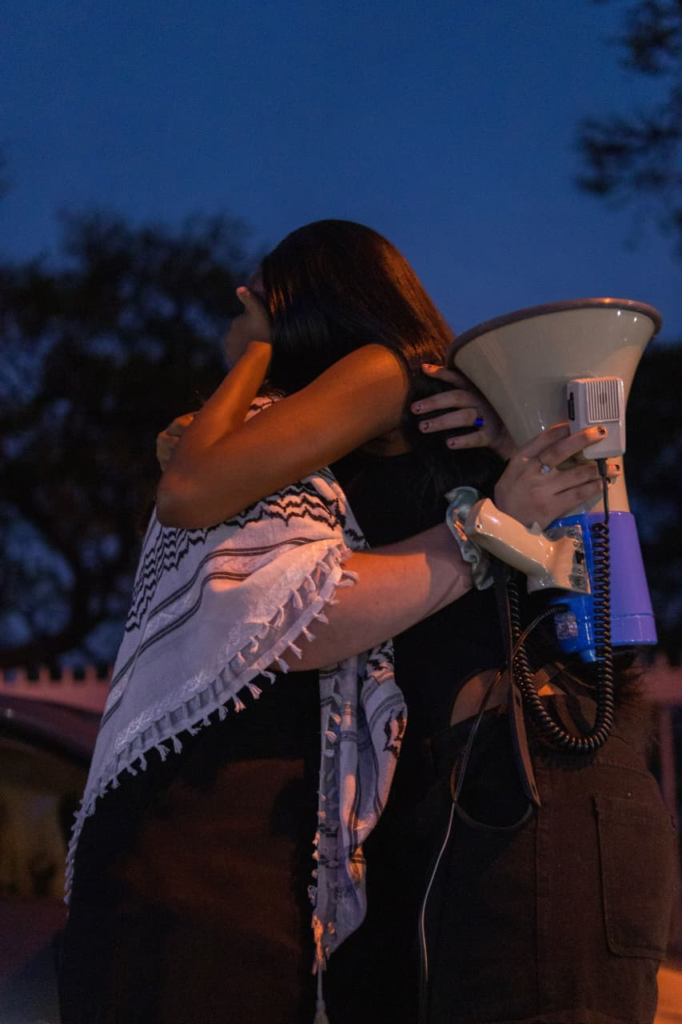
What emerged organically was a community of survivors and allies who consistently show up. “People are just angry and they needed a space where they can feel the people who have experienced what they experienced exist, so that they won’t be gaslit again.”
The team continues providing victim support to hundreds daily while holding the government accountable. The purple profile pictures remain. The work continues. And Women for Change has proven that even small teams with no funding can shift the narrative when driven by authentic passion and unwavering commitment.
Women for Change’s campaign demonstrated that when women’s voices unite; locally and globally, governments are forced to listen.