
What does it look like when an 18-year-old volunteer decides that if no one is coming to save their community, they might as well build something themselves? For the Jijenge Center for Social Development, it looks like eight years of consistent, hands-on work, digital safety clubs, rural digital libraries, ten spin-off organisations, and a 90-minute work policy that has Nairobi professionals asking for a slot.
Founded in 2018 as a youth group supporting street-connected girls, Jijenge eventually asked a harder question: why were young people leaving home in the first place? That shift redirected their work toward the broader community; education, health, environment, mental health, and a growing speciality in digital safety, guided by a vision of an equitable, inclusive space where women, girls, and children can fully realise their potential.
They use mentorship as a chain reaction. The Jijenge model is simple but powerful: those who come through their programmes are not just beneficiaries, they are expected to go and build their own communities. So far, at least ten organisations have been founded by Jijenge alumni, many launching with Jijenge’s own programmes as their blueprint. The goal, as the team puts it, is to mentor people to the point where they can run their own work without depending on outside support.
Programmes Making a Difference
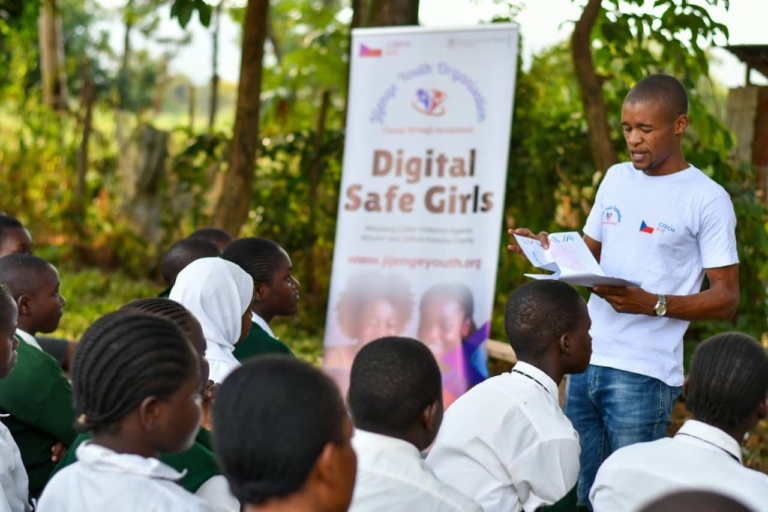
Jijenge’s digital safety clubs have equipped women and girls with cyber safety skills, digital literacy, and online protection knowledge, with participants going on to champion digital safety in their own organisations. One staff member was selected to pitch a safe kids internet project at an international level, a testament to the reach of this work.
In rural areas, Jijenge developed digital libraries; tablet devices loaded with downloadable resources supported by locally trained tech facilitators who teach communities the literacy needed to use them. Girls in these communities have gone on to explore AI tools, graphic design, and create their own life vision boards.
Collaboration at the Core
Jijeng’s partners include Better Me Kenya, the Office of Data Protection, the Kisumu Children’s Department, Solve Them All, and Lakeside Adventure, among others. A key lesson as stated by Tom: partnership is not always about money. Human resources, shared expertise, and in-kind support can be just as transformative.
Taking Care of the Team
Staff are only required to commit 90 focused minutes of organisational work per day, the rest of their time is their own. Mandatory adventure activities (hiking, biking, kayaking) and weekly Friday wellness sessions keep the team recharged. Weekend community outings also serve as a voluntary income stream for staff, supported by community members who believe in Jijenge’s mission.
Looking Ahead
Over the next two years, Tom is working toward a fully fledged innovation hub. A dedicated physical space where young people can learn, co-create, and engage with their growing digital programmes, moving well beyond their current rooftop office.
For those entering the CSO space, Tom’s advice is clear: consistency is everything, and never fear being corrected, even by those you lead. Create a safe space for honest conversation, and you will always find the gaps worth filling.
To learn more or support Jijenge Center for Social Development, follow their journey on social media.