 What happens after the programme?
Through Mbogi Mtaani, young people come together in community youth groups for continued peer support, collective action and livelihoods.
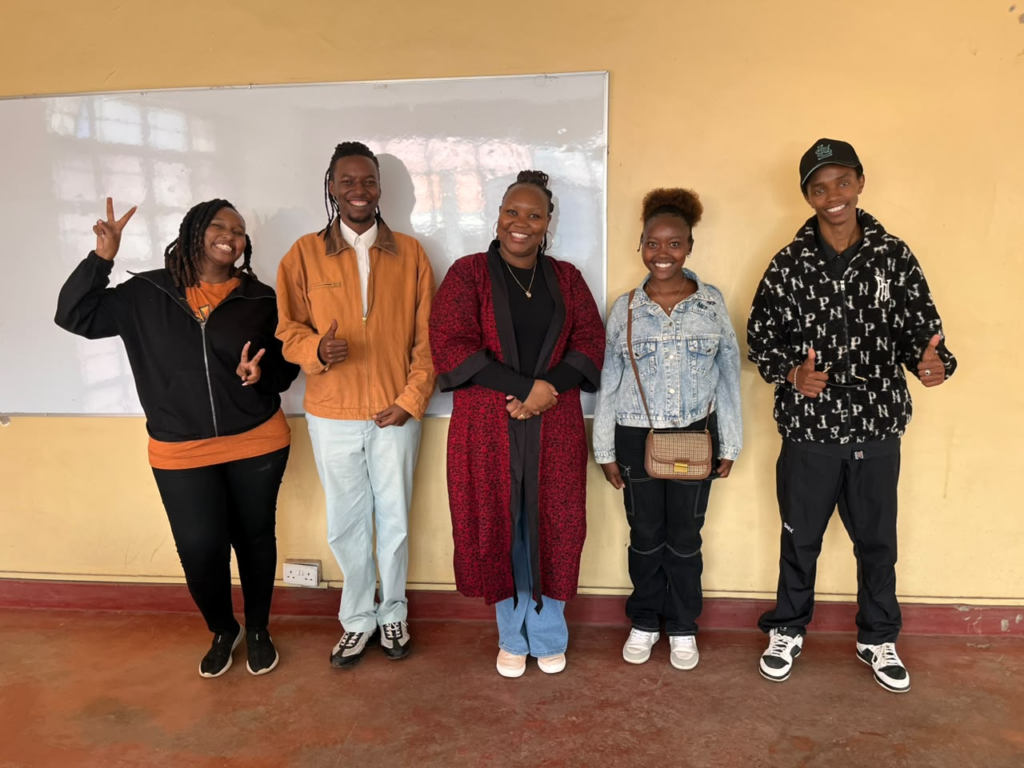
BEMAD has supported groups including Two Star and Uprising through their registration journeys and continues to work alongside them as they develop their structures and pursue opportunities.
This is an important part of the story. A programme can create an opening, but relationships and functioning community groups help people carry that progress forward.
The same question applies to BEMAD itself: what helps the organisation sustain the support it provides?
One strategic plan. A bigger story.
During the visit, Zeki described one practical contribution from AFWAG.
Using knowledge and resources from our member portal, BEMAD developed its first strategic plan, covering 2024–2029.
“Through the knowledge and resources we got from AFWAG’s member portal, we were able to develop our first-ever strategic plan, covering 2024–2029. AFWAG has been a shining light to us.”
Ezekiel Kyule (Zeki), Founder, BEMAD Kenya
A strategic plan gives an organisation a framework for setting priorities, aligning its team and making decisions about the future.
BEMAD brought the community relationships, experience and vision. AFWAG’s resources helped the team translate that vision into a plan.
That is a practical example of what support for AFWAG helps make possible: grassroots leaders gaining access to tools they can use to build their organisations.
Why the network matters
BEMAD is one organisation within a network of more than 300 member organisations in more than 24 African countries.
Members work in different contexts, but many face similar questions: how to develop their leadership, build reliable systems, sustain their work and make their knowledge count in wider decisions.
AFWAG connects them to practical resources, peers and potential partners. It creates opportunities for a tool developed by one organisation, or a lesson learned through years of community work, to become useful to another.
The visits contribute to this exchange. They help AFWAG understand members beyond their profiles, recognise the expertise within the network and identify where support or collaboration could move their work forward.
BEMAD’s experience also brings a wider question into view: what needs to surround community-based mental health work for it to last?
Its approach connects individual wellbeing with livelihoods, peer relationships and the development of community groups. That is knowledge worth exploring with other organisations working alongside young people.
Support the organisations behind the work
Your support for AFWAG helps provide the resources, learning spaces and connections that grassroots organisations can draw on as they grow.
It helps leaders turn knowledge into strategy, build foundations beyond one project or funding cycle, and learn from peers rather than solve every challenge alone.
BEMAD’s first strategic plan is one example of that support in use.
Stand with the leaders already creating change. Help build the support around them so their organisations can carry that work forward.
Support AFWAG today